
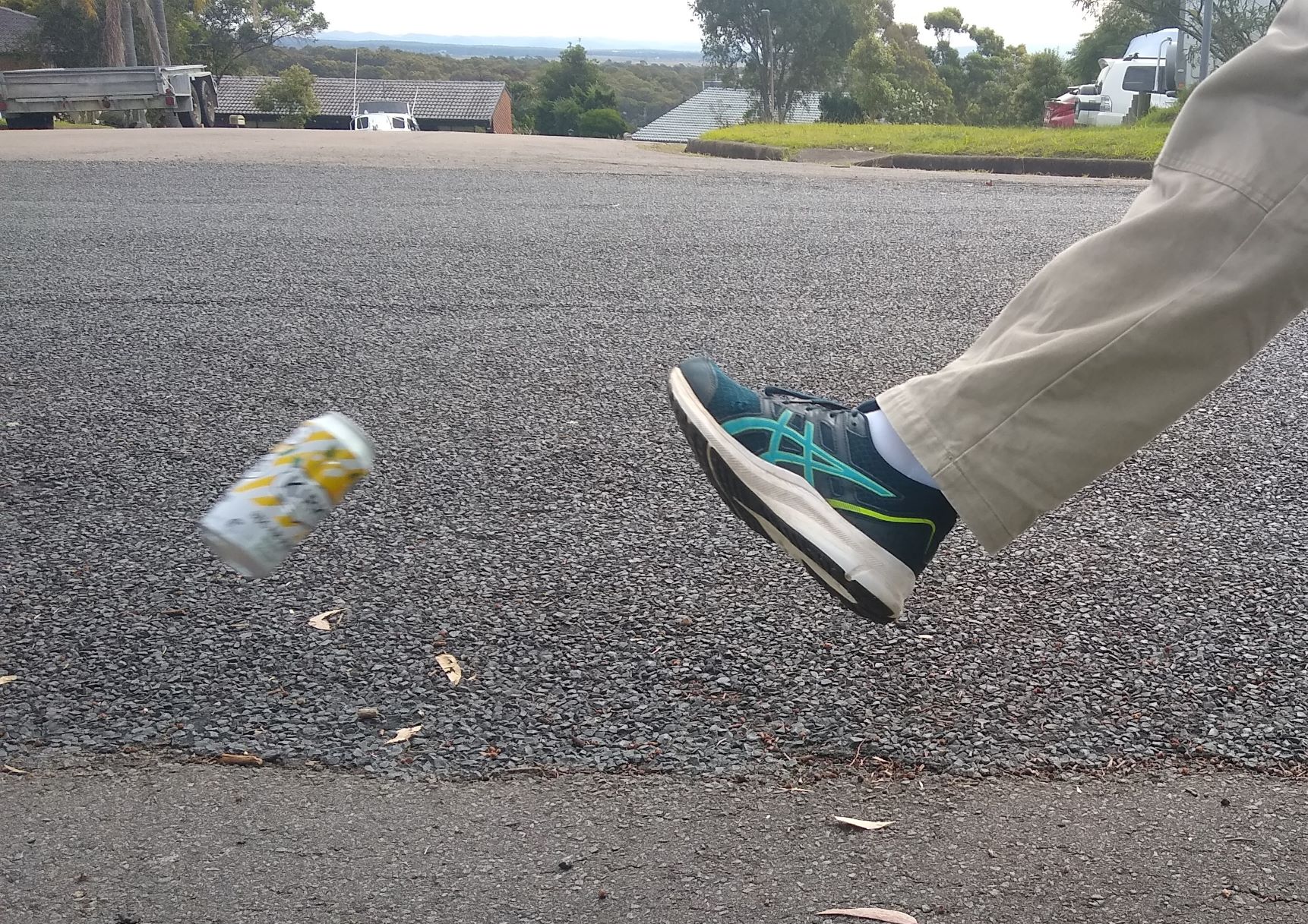
Everyone who isn’t filthy rich knows we have a housing problem. Over the last decades housing has become increasingly unaffordable and excluded many in our society from home ownership. Instead of looking forward and addressing the root cause of high housing prices, however, the solution of the major parties has been to provide some pain relief to first home buyers and kick the can down the road.
The main way the major parties are trying to ease the pain is by trying to help first home buyers into the market through a few policies. One of these is the First Home Super Saver Scheme. This scheme is, conceptually at least, a decent policy. It encourages citizens to save money through their super, with tax breaks given that effectively subsidise the saving of your house deposit. The major problem with the policy is that the rich benefit much more than the poor. The format of tax breaks through savings means that, for those who are not earning 45K+ and in the 32.5c tax bracket or higher, the scheme is nearly worthless. What kind of mad policy helps people on a 45k+ income save for a house, but not those on a lower income?
Another way the Government is trying to help new homeowners is through the New Home/Family Home Guarantee. This scheme helps first home buyers into the market by allowing them to purchase a house without lenders mortgage insurance with only a 2-5% deposit instead of the normal 20%. While this policy seems reasonable on the surface, it papers over foundational cracks. With prices already expensive, the policy serves to inflate prices even higher by increasing demand, potentially helping to create a timebomb in the housing market. Worst of all, however, the policy exposes new homeowners to the severe risk of negative equity - where you owe more than your house is worth.
The problem is this. The main solutions suggested by the LNP and ALP drive prices higher by increasing demand, rather than actually solving the problem, including the ALP’s new shared equity scheme. Prices are determined by supply and demand. As demand goes up, prices go up regardless of the actual needs of society. While helping first home buyers into the market can work individually in their favour, it exacerbates the broader problem. It also manipulates the market in a way that creates risk for both individuals and society and may lead to a housing and broader economic crash.
Let’s put all this into a real world scenario. Imagine that a single parent, let's say Jenny, has purchased a home with a 5% deposit using the New Home/Family Home Guarantee. She saved a $25k deposit and bought a house for $500k. After two years, she has managed to pay $25K off the principle above interest rates. After these two years, however, Australia is in an economic recession. Interest rates are 3% and housing prices have dropped 20% from their peak. Jenny has lost her well paying job as a result of the downturn. Even though she picked up another job, she can no longer afford the higher interest rates and has to sell her house. Though she has paid back her mortgage and now only owes $450k, when she is forced to sell she only receives $400k, leaving her with a $50k debt with nothing to show for it. This scenario only considers a 20% decline, but larger drops are possible.
Working to compound the risk to buyers is that the highest price point before a crash is often found when the last person able to buy does so. All Australians should be able to afford a home, but if we are encouraging people to buy a home on a 2% deposit, who else is left to buy? A sharp crash may never happen, but if it does, it may be accompanied by interest rate rises and hard economic times. Australia’s housing policy is allowing our vulnerable citizens to be entrapped into massive debt in an artificially inflated market in a way that sets up the risk of a future market crash.
So why doesn’t the LNP or ALP actually fix the problem? In short: entrenched interests. Many voters in Australia own homes, and many of those have large debts of those homes. A substantial reduction in housing prices would cause pain to anyone who does own a home and increase the chances of the Government being kicked out. Problematically, as more and more Australians take on high amounts of debt, it also creates a feedback loop that makes it even harder for governments to address the core problem of excessive housing prices. In addition to concern about voters, the government will also be concerned about the risk of mortgage defaults causing or exacerbating an economic downturn - the Global Financial Crisis was caused by subprime mortgage defaults in the USA.
How can we start fixing the problem?
We need to recognise that houses are for living, not profit. The value of a house must not be seen through the lens of its monetary value, but rather through the value it provides in terms of health, stability, and wellbeing to those who live in it. If people can profit by providing that value, great, but protecting profits should not be the key motivator.
The core of the problem is supply and demand, which means that to fix the issue we need to increase supply or decrease demand. While worthwhile, decreasing demand is tricky and can only go so far. This means that the main solution must therefore be to significantly increase supply. Simply put, Australia needs to build more houses. We have concerns about many of their other policies and the methods of this one, but would like to give credit to the Greens on housing for actually being committed to addressing the root problem with their housing policy.
Regrettably, it is responsible to reduce prices slowly to try to avoid causing a damaging recession, which may already be unavoidable. This said, it would be nice for our kids to not have to debate whether to buy a house or raise a family. Let’s look forward. Let’s pick up the can.